1. Comments are no longer needed; the code is the comment, and the comment is the code.
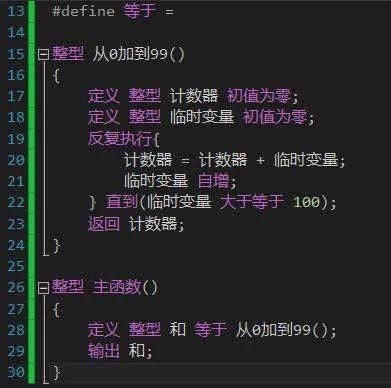
2. The base numbers should be like this binary:Yin, YangOctal:qian, kun, zhen, xun, kan, li, gen, duiHexadecimal replaced with duodecimal:Rat, Ox, Tiger, Rabbit, Dragon, Snake, Horse, Goat, Monkey, Rooster, Dog, Pig (netizens have already complained about this. Zi, Chou, Yin, Mao, Chen, Si, Wu, Wei, Shen, Xu, You, Hai would be more appropriate)3. At this point, the underlying code must be
·
Yin Yang Yin Yin Yin Yang Yin Yin Yin Yin Yang Yin Yin Yang Yang Yin Yang Yang Yin Yang Yang Yang Yang Yin Yang Yang Yin ...
But looking at the Chinese code below is actually quite a headache; perhaps it is because we are already used to English letters:
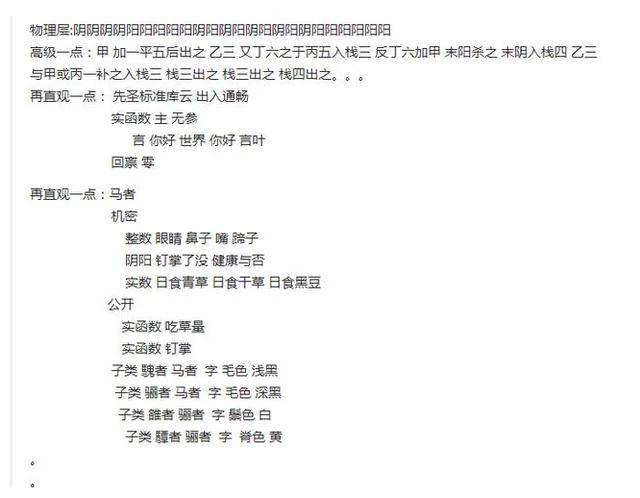
4. When learning a language, the first program output is
Hello, have you eaten?

Or have you eaten, world!
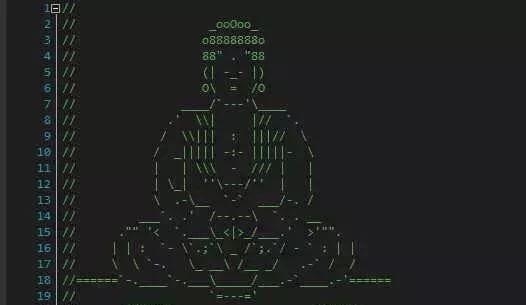
Then the comments will use the following code:
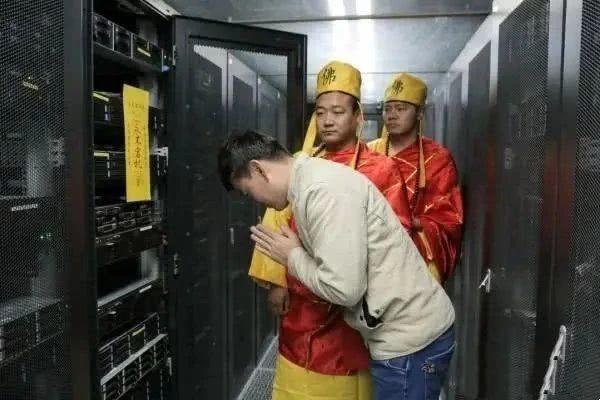
Before the project is released, a master must consecrate it; use talismans and cinnabar, to bless a smooth launch with no bugs:
5. There is also a very interesting project on Github, PerlYuYan, which translates Perl into classical Chinese.Address: https://github.com/audreyt/lingua-sinica-perlyuyan First, let's look at its example code:
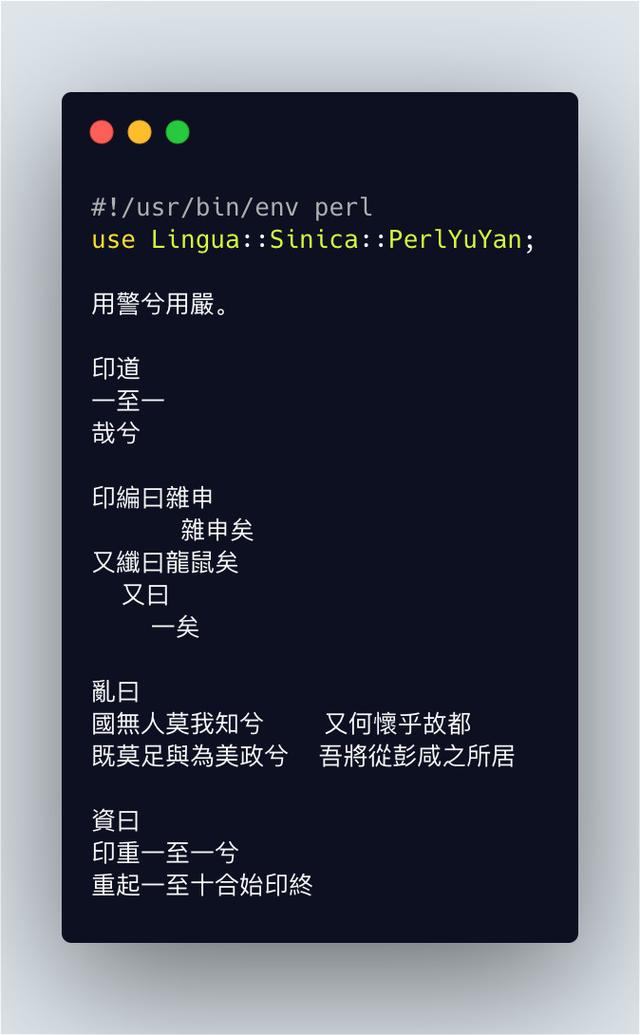
After reading it, do you regret not studying classical Chinese properly? Then let's look at its source code, and we can understand that the author actually changed many instructions into individual Chinese characters, creating the feeling of classical Chinese grammar.
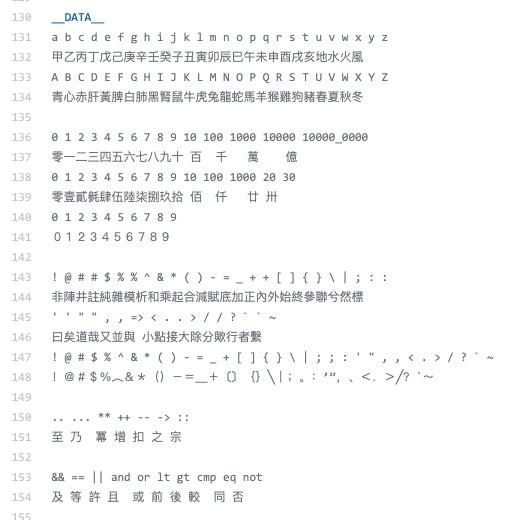
Let's look at its five-character poem:
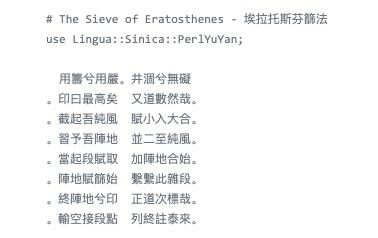
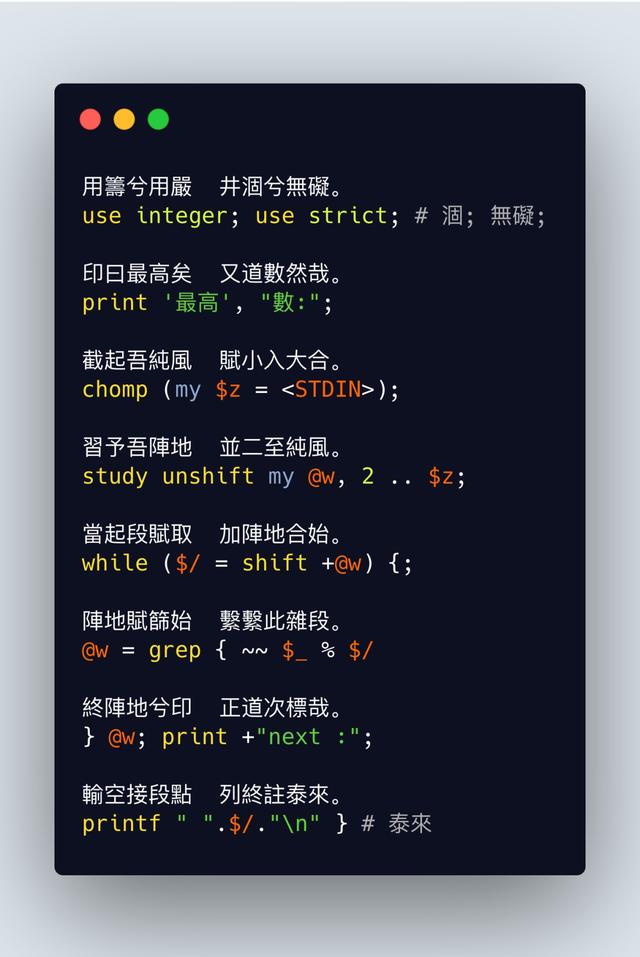
Translated into Perl, it is:
6. Finally, there is one more point: if computers had been invented by Chinese people, Koreans would very likely say that they were the ones who first came up with the idea.

Room 1409, Building C, Shenzhen Century Industrial Center, No. 743 Zhoushi Road, Hezhou Community, Hangcheng Sub-district, Bao'an District, Shenzhen